
You are expected to get people decisions right.
But nobody ever showed you how.A manager sits on an issue and hopes it resolves itself. HR ends up operating in the grey, making the call without a clear line to work from. Everyone is guessing, and guessing is what loses claims.
Book a clarity call →One is for your leaders. One is for HR, when the situation gets curly.
On the Front Foot
The expensive manager isn't the one who blows up. It's the one who goes quiet.
When a manager doesn't want to deal with an issue, they stop seeing a person. They start seeing a problem, and they deal with it from as far away as they can. That distance is where things go pear-shaped.
Someone says something is wrong, and the manager doesn't know what to say, so they say nothing. Your managers learn how to have that conversation before it turns into something else.
Managers miss the warning signs because nobody showed them what one looks like. They leave knowing what to act on, and what to leave alone.
Everyone else teaches your managers compliance, cases and legislation. I teach them what to do with it. When to tackle something head on, and exactly when to phone in HR.
Bring me the situation your managers are sitting on right now. We work it in the room.
Out of the Grey
The decision was made before you got there. You're just being asked to make it work.
Your manager decides how this starts. HR is left to make it stand up. By the time it reaches you the informal steps are gone, the manager has already said something they shouldn't have, and you are running a process that started badly and has to end properly.
It may be a process you've never run before, and the first time you run it is the one that gets tested. You leave knowing where the line sits and how long you have to hold it.
The business decides before it speaks to HR. You learn how to run through your options and present them clearly, so they stay on the safe side or at least know the risk they are taking.
The process is already contaminated. You learn what can still be saved and what has to be started again.
"can you get the redundancy paperwork sorted by friday, we've told Dan already"
Stop advising the business from the grey. Get the confidence to guide the process, even the complex ones.
Honestly I wasn't sure how our managers would take it. They're not big on training days. But they were asking questions the whole way through and one of them emailed me that night to say it finally clicked.
A workshop your team will actually remember
No slide decks. Just what's actually on your desk.The programme is the shape. Your situations are the content. We scope it on a call before I build anything. Book a clarity call → |
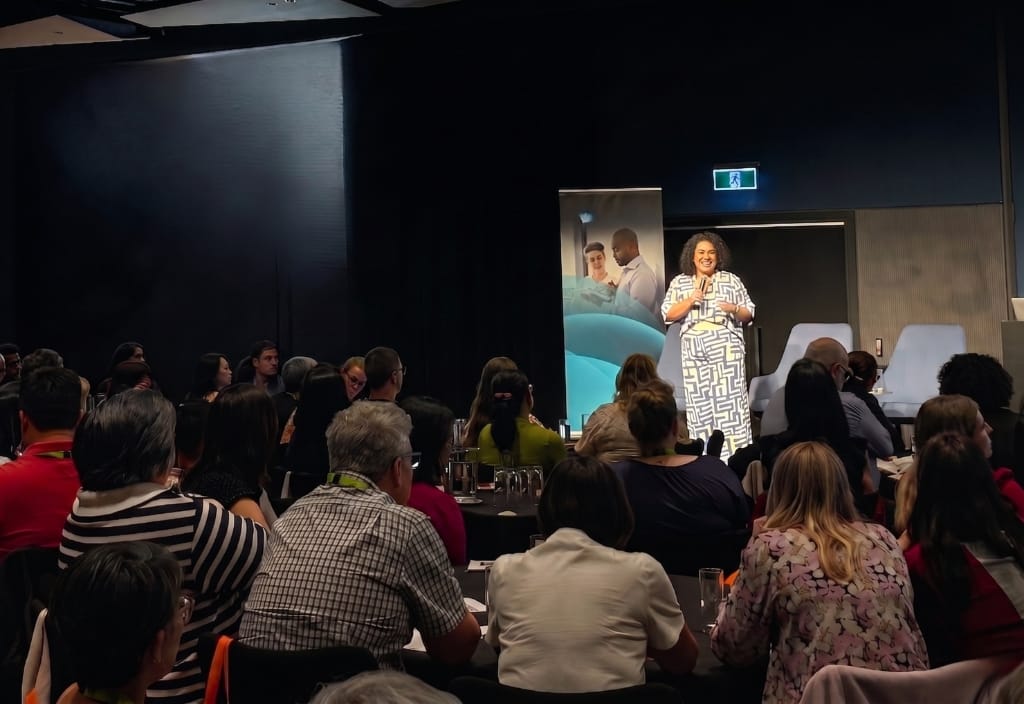
Not a seminar. A working session.
Anyone can teach your managers more law. I teach them to spot the moment they have left their lane, and to stop before they make it worse. That is the moment everything turns on, and nobody has ever shown them where it is.
Scenario work dies in a lecture hall. A smaller group means everyone works, everyone asks the question they have been sitting on.
Most employment lawyers sell you a helpline and a retainer. The goal here is the opposite. Your team gets good enough that most issues never need to reach a lawyer.
I sat through an employment law seminar last year and wanted to fall asleep. This was nothing like that. I actually texted my manager during the break.

Fair warning. I will make employment law interesting.
Expect plain English, real scenarios, and more than a few moments where your leaders actually laugh. Employment law doesn't have to be dry. In my sessions it never is. I'm a practising employment lawyer in New Zealand and Australia. I built Law Lenz because I kept watching good teams make entirely avoidable mistakes. Now I get in the room and make sure it doesn't happen to yours.
Here are the
questions I get most.
|
Ready when you are
Your team can do this.
|